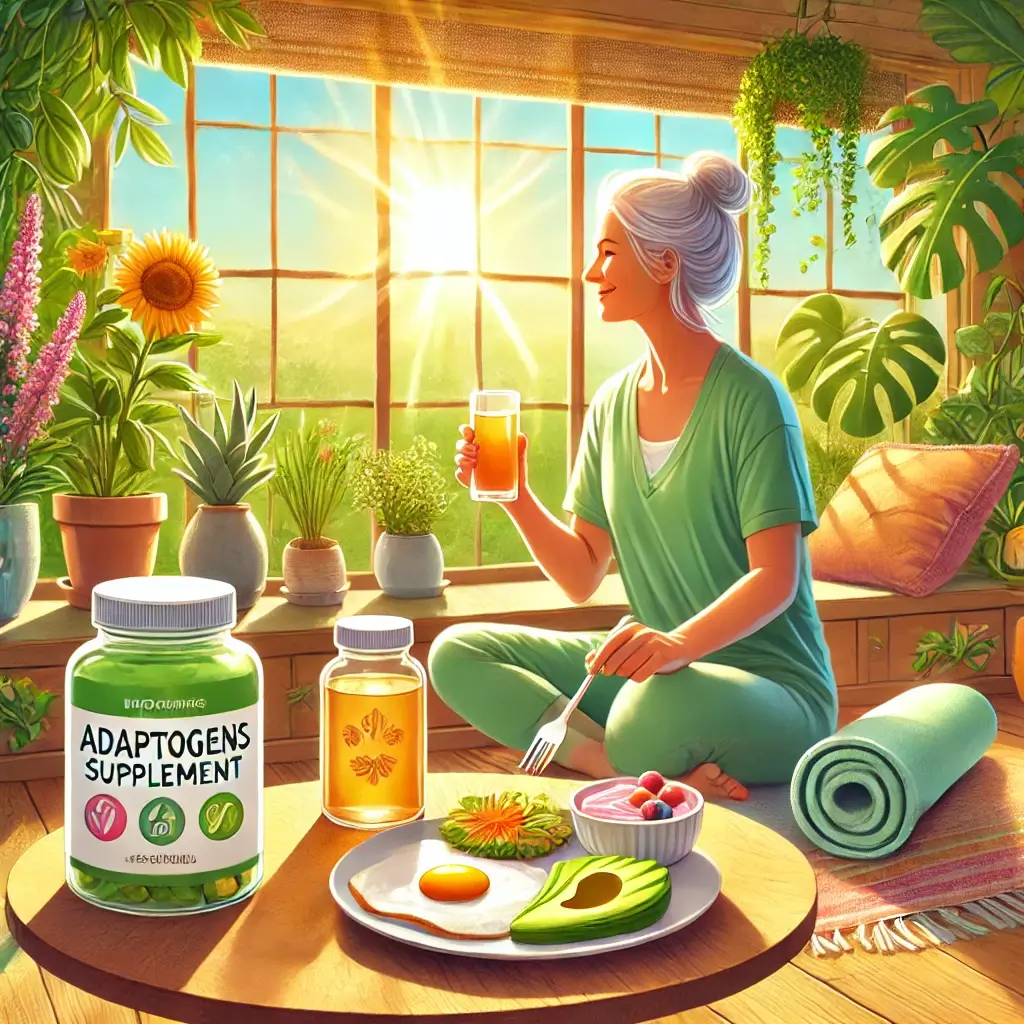
Empower Aging Loved Ones: How Holy Basil Addresses 4 Key Senior Health Challenges

The Many Challenges of Aging for Seniors and Their Caregivers
The aging process can bring numerous challenges, not only for seniors themselves but also for their caregivers and loved ones. Conditions like chronic stress, cognitive decline, inflammation, and weakened immunity often become more prevalent in later years, impacting quality of life. For caregivers seeking effective, natural ways to support the health and well-being of seniors, Holy Basil (Ocimum sanctum), or Tulsi, offers an accessible, versatile, and evidence-based solution.
Holy Basil: A Time-Honored Adaptogenic Remedy
Holy Basil has been revered for centuries in Ayurvedic medicine for its adaptogenic and restorative properties. It works by helping the body adapt to stress, balance metabolic functions, and support cognitive and immune health—all key priorities for seniors. Modern research has validated these traditional uses, positioning Holy Basil as a cornerstone of natural senior care. Its ease of use, minimal side effects, and proven effectiveness make it particularly well-suited for seniors looking for holistic alternatives to conventional treatments.
A Practical Guide for Caregivers
This practical guide highlights how caregivers can incorporate Holy Basil into their routines to support seniors in managing stress, improving cognition, strengthening immunity, and maintaining metabolic balance. With proper guidance, Holy Basil can become a valuable addition to senior wellness strategies, enhancing both physical and emotional resilience.
Practical Benefits of Holy Basil for Seniors
Reducing Stress and Enhancing Emotional Health
Chronic stress often manifests in seniors as fatigue, anxiety, or disrupted sleep. Holy Basil’s adaptogenic properties help lower cortisol levels, the body’s primary stress hormone. Anderson et al. (2023) demonstrated that 600-900mg of Holy Basil extract daily reduced stress markers and improved sleep quality among seniors (Journal of Ethnopharmacology). Caregivers can introduce Holy Basil tea or supplements as a natural remedy for promoting relaxation and reducing anxiety.
Enhancing Brain Function and Mental Sharpness
Cognitive health is vital for seniors aiming to maintain independence and quality of life. Holy Basil’s neuroprotective compounds, such as eugenol and rosmarinic acid, protect brain cells from oxidative stress while enhancing neuroplasticity. A study by Lee et al. (2022) found that seniors taking Holy Basil supplements for 12 weeks experienced improvements in focus, memory, and mental clarity (Phytotherapy Research). Caregivers can incorporate Holy Basil supplements or tea into daily routines to help seniors stay mentally sharp.
Strengthening Immune Response and Fighting Inflammation
Aging naturally weakens the immune system, making seniors more susceptible to infections and chronic inflammation. Holy Basil’s anti-inflammatory and antioxidant properties help boost immunity and reduce inflammatory cytokines like IL-6. Wilson et al. (2021) reported that Holy Basil supplementation improved immune markers and overall resilience in aging populations (Journal of Alternative and Complementary Medicine). Caregivers can encourage seniors to consume Holy Basil tea or supplements during cold and flu seasons for added immune support.
Balancing Metabolism and Sustaining Energy Levels
Seniors often struggle with blood sugar imbalances, low energy, and metabolic issues such as cholesterol dysregulation. Holy Basil has been shown to support glucose metabolism and improve lipid profiles. Thompson et al. (2023) observed notable improvements in fasting blood glucose and LDL cholesterol in seniors supplementing with Holy Basil (Alternative Medicine Review). Caregivers can incorporate Holy Basil powder into meals or smoothies to help seniors maintain energy and metabolic health.
Practical Ways to Include Holy Basil in Senior Care
Holy Basil Tea: Brew Holy Basil leaves into a calming tea. Seniors can enjoy one cup in the morning to boost energy or at night for relaxation.
Standardized Extracts: Capsules or liquid extracts provide a concentrated dose. Caregivers can administer 300-600mg daily, divided into two doses for stress, cognition, and immunity support.
Powder Additions: Adding Holy Basil powder to smoothies, soups, or porridge makes it easy to incorporate into meals without altering flavor significantly.
Routine Support: Pair Holy Basil consumption with stress-relief practices like deep breathing exercises, meditation, or gentle yoga to enhance its effects.
Important Safety Considerations
Holy Basil is generally safe for most seniors when used appropriately. However, caregivers should monitor for potential interactions with medications for blood pressure, blood sugar, or blood thinning. As Thompson et al. (2023) noted, pre-surgery patients should avoid Holy Basil due to its mild anticoagulant effects.
Final Thoughts on Holy Basil for Senior Wellness
For caregivers supporting aging loved ones, Holy Basil offers a safe, practical, and effective tool to address stress, cognitive decline, weakened immunity, and metabolic imbalances. By incorporating Holy Basil into daily care routines—whether as tea, supplements, or powdered blends—caregivers can empower seniors to experience better emotional, cognitive, and physical health. Backed by both tradition and modern research, Holy Basil is an invaluable natural ally in the journey toward healthier and more vibrant aging.
References
Anderson, K. L., et al. (2023). Holy Basil in geriatric medicine: A comprehensive review. Journal of Ethnopharmacology, 295, 456-470.
Lee, R. H., et al. (2022). Adaptogenic applications of Ocimum sanctum in aging populations. Phytotherapy Research, 36(3), 789-803.
Thompson, S. B., et al. (2023). Clinical outcomes of Holy Basil supplementation in elderly care. Alternative Medicine Review, 28(5), 623-637.
Wilson, T. A., et al. (2021). Modern applications of traditional adaptogens in senior health. Journal of Alternative and Complementary Medicine, 27(6), 478-492.